CAMBODIA FIELD GUIDE Destinations & experiences
Cambodia Is Not the Next Thailand — It Is Something Entirely Its Own
From Angkor to Phnom Penh street cafés, Koh Rong beaches and Kampot farms: 18 perspectives on Cambodia’s culture, nature, people, costs, agriculture and future — with a fair Thailand comparison and practical cautions.
10 min readPublished: Updated:
Cambodia is not an unfinished version of Thailand
Calling Cambodia 'the next Thailand' suggests it is an earlier, cheaper version of somewhere else. That misses its most compelling feature: Cambodia has its own language, memory, landscape, creative energy and pace. It deserves to be encountered on its own terms.
Between ancient temples and modern neighbourhoods, small family businesses and changing infrastructure, the country combines deep history with visible ambitions. The point is not to promise paradise, but to explore why Cambodia can be fascinating without pretending it has Thailand's scale or systems.
A fair comparison: where Thailand leads, where Cambodia intrigues
Thailand usually offers a larger, more mature tourism network: wider transport links, a bigger range of visitor services and more developed specialist medical options in its major centres. Cambodia can offer something different: pockets of less intensive tourism, singular archaeological sites, intimate river towns and strong encounters with everyday street life.
The right choice depends on your needs. Convenience and a highly developed visitor ecosystem matter; so do curiosity, flexibility and character. Neither country is uniformly cheap, easy or quiet. Compare specific cities, seasons and trip styles, rather than awarding a simplistic national winner.
Plan the next part of your trip
Use the planner to decide how long to spend in each destination, leaving time for transfers and stops along the way.
Build my tripAngkor: a cultural achievement without a substitute
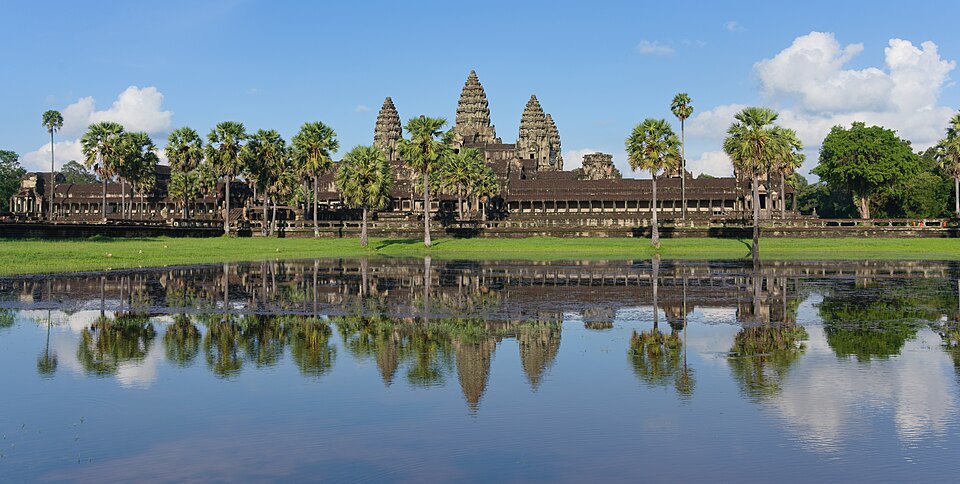
Angkor is not merely a dramatic backdrop. This UNESCO World Heritage landscape records the reach of Khmer architecture, faith, water management and urban history. Angkor Wat is immense; Bayon's faces are unforgettable; Ta Prohm shows stone and roots sharing the same space.
Slow down enough to understand what you are seeing. Use a knowledgeable guide where possible, respect sacred spaces and dress requirements, and spend time in contemporary Siem Reap too. Here, Cambodia is not an alternative to another country. It is a destination in a category of its own.
Phnom Penh: a present being built in plain sight
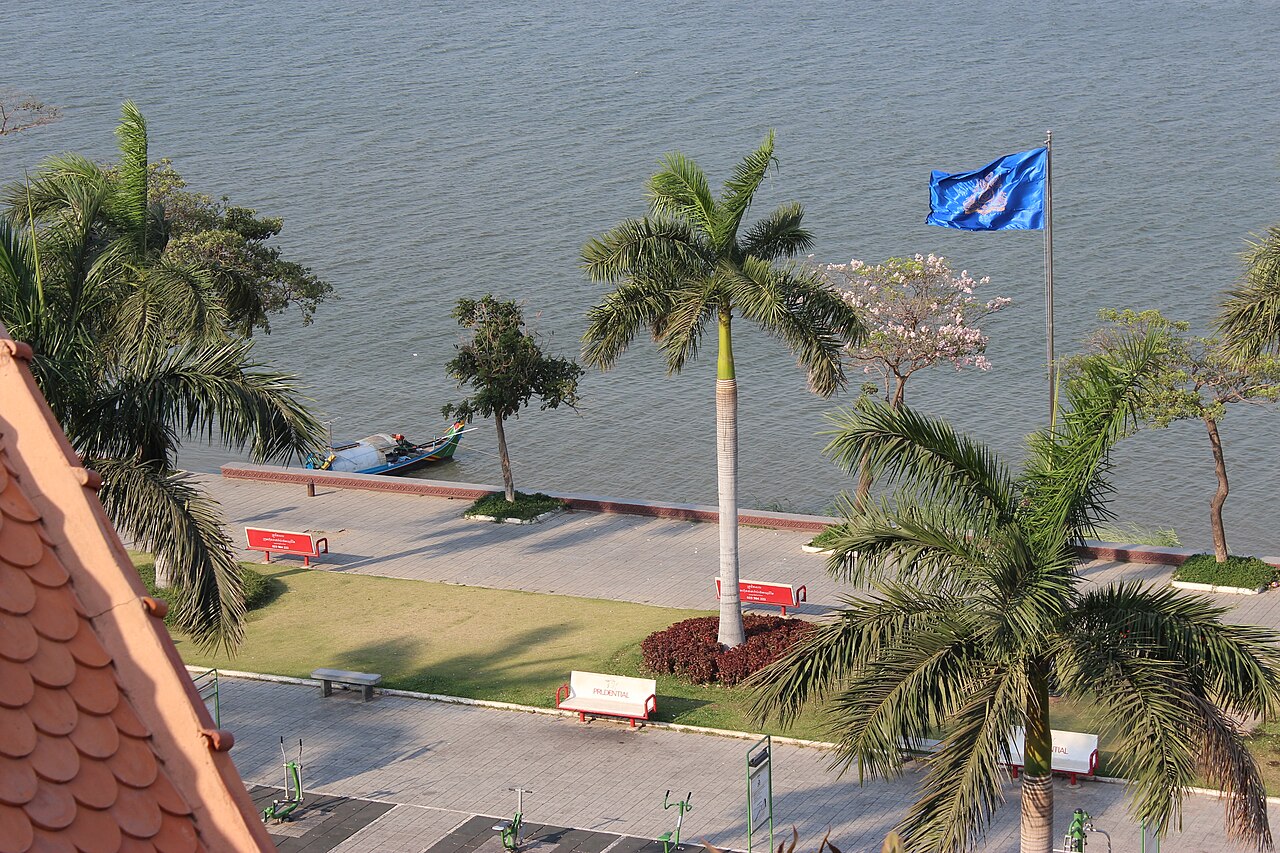
Phnom Penh places traditional markets, riverfront walks, new towers, independent cafés and contemporary restaurants into a single, often noisy city. It is not a nostalgia museum: it is a working capital negotiating rapid change, traffic, heat and different urban identities.
Begin early, when street food and market life tell the story of daily routines, then explore its newer quarters. Make room for Cambodia's painful twentieth-century history through thoughtful museum and memorial visits. The contemporary city's energy is more meaningful when approached with that historical awareness.
Siem Reap is more than a gateway to temples
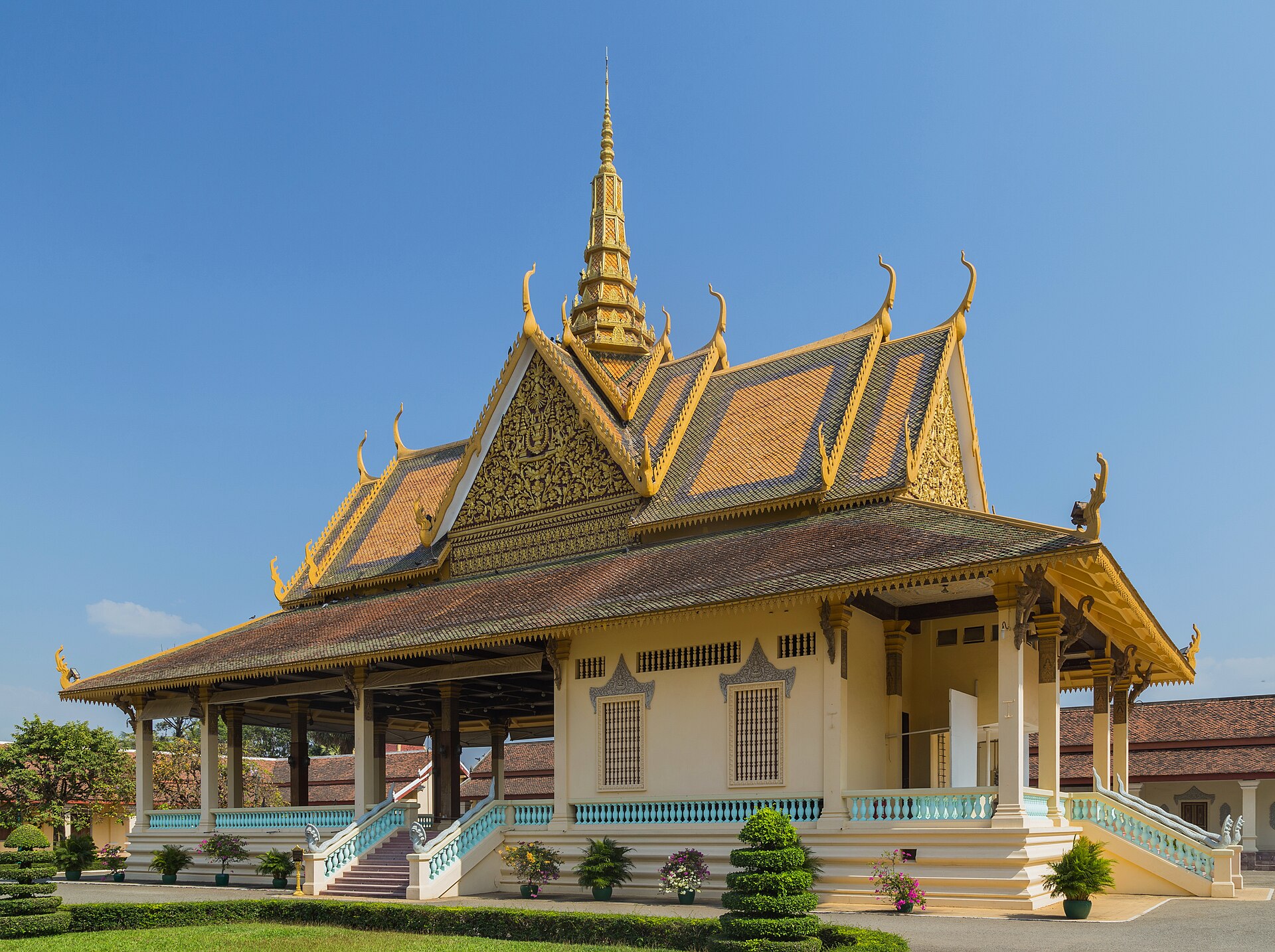
Siem Reap is often treated as a hotel base for Angkor. Yet its craft traditions, cafés, Khmer cooking, evening markets and small creative spaces reward attention on their own. Pair an archaeological morning with an afternoon workshop or a relaxed neighbourhood walk.
Look for experiences that support local makers and treat surrounding villages as communities, not spectacles. Its special appeal lies in pacing: the monuments are remarkable, but several unhurried days let visitors discover the people, skills and everyday stories beyond them.
Koh Rong and the coast: no need to reinvent the sea
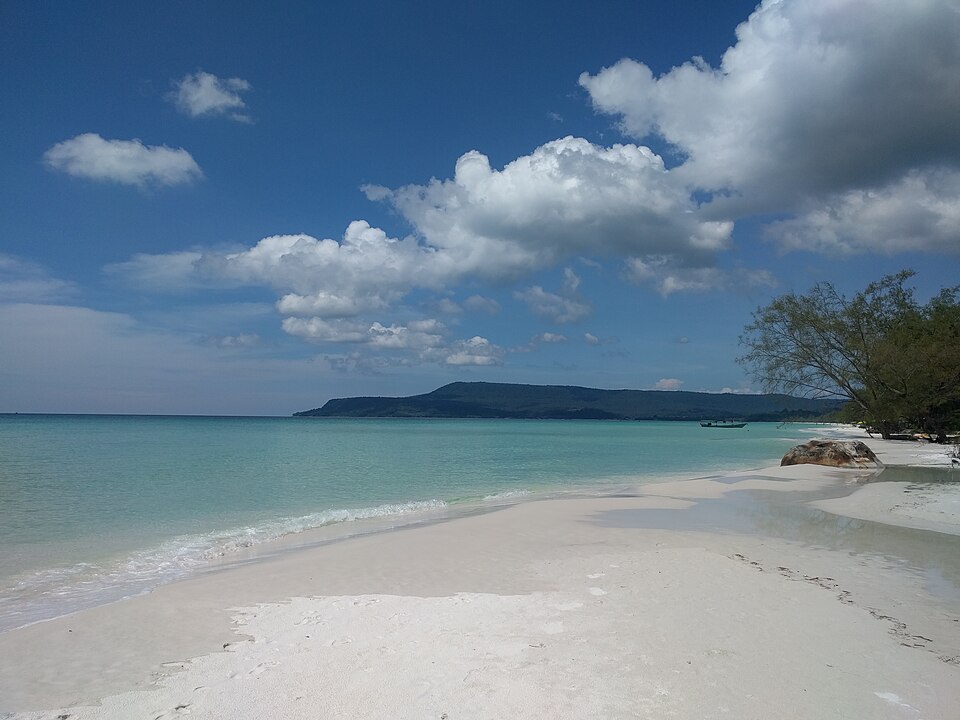
Koh Rong and the Sihanoukville coast offer pale sand, tropical water and a variety of moods, from lively beach clusters to quieter stretches. Do not assume every beach is pristine or every island untouched: development, waste-management challenges and variable accommodation standards are real.
Choose your beach before choosing your room. Confirm the ferry's exact arrival pier, sea conditions, return arrangements and cancellation rules. Good planning turns the island stay from a postcard fantasy into a genuinely restorative part of the journey.
Kampot and Kep: the pace begins to soften
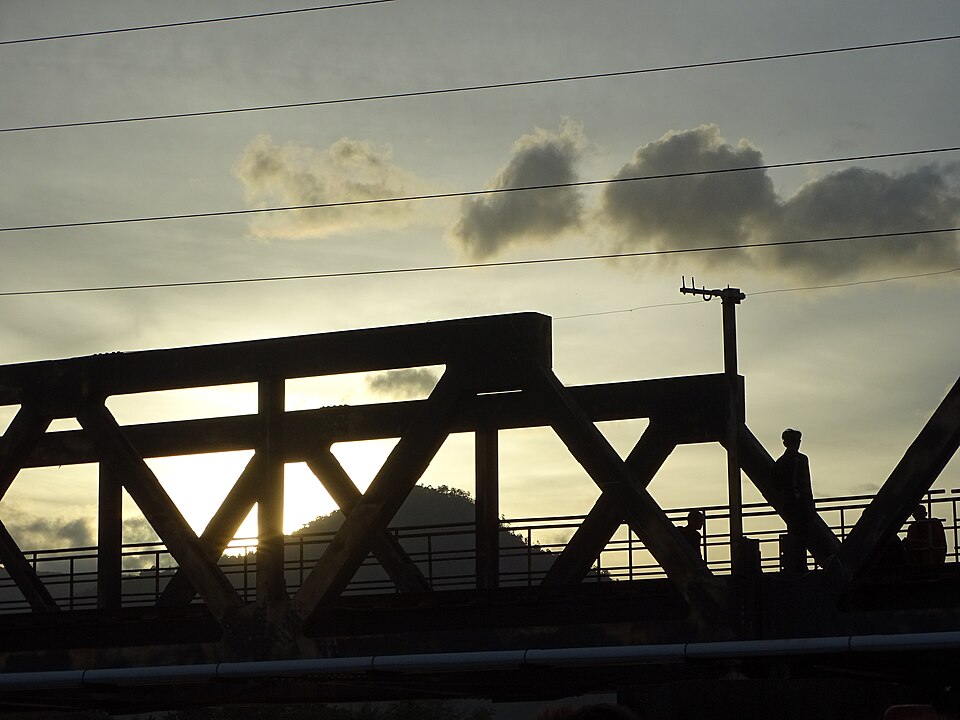
Kampot's appeal often lies in the absence of a packed schedule: river life, layered architecture, small eateries and pepper-growing countryside invite longer stays. Nearby Kep offers another coastal mood, including its well-known crab market.
A farm visit can illuminate how Kampot pepper is grown and processed; ask about the actual origin of products rather than assuming every label is authentic. Spend thoughtfully with local businesses and respect working communities. This is a region that rewards people who can enjoy an afternoon without needing a grand attraction.
The Mekong and Tonle Sap: water shaping a nation
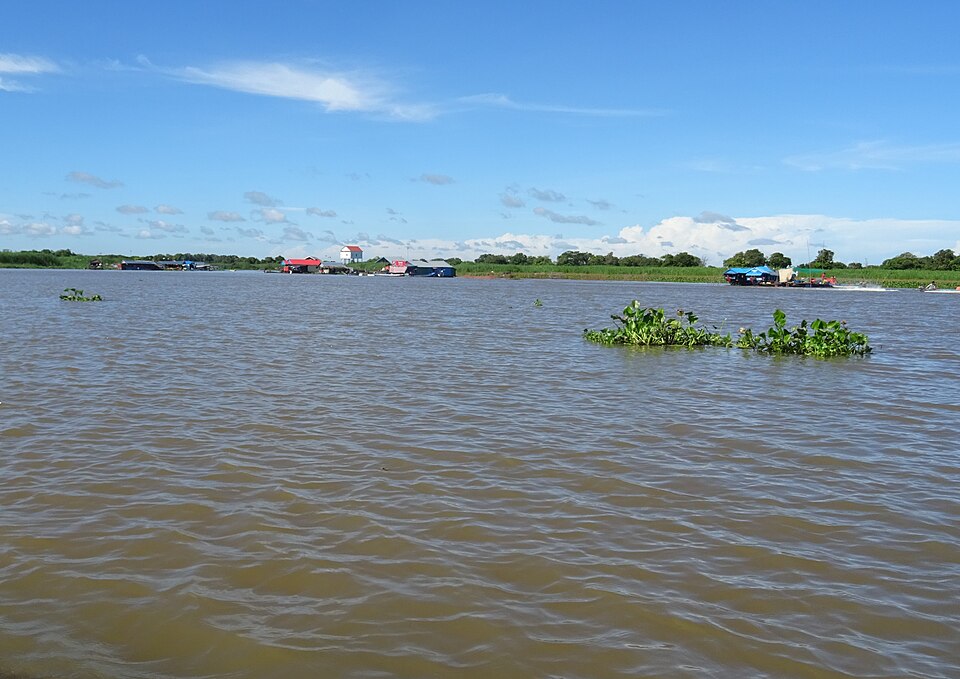
The Mekong and Tonle Sap are not simply scenic attractions. Their seasonal rhythms shape fisheries, agriculture and the lives of entire communities. UNESCO recognises Tonle Sap as a biosphere reserve, while conservation efforts address the pressures on its ecosystem.
Water levels and access can change considerably between seasons. Choose tours that explain the ecology and local livelihoods without turning families' private lives into spectacle. Respectful interpretation, transparent community benefits and responsible boating matter as much as the view.
Mondulkiri, Ratanakiri and the landscapes beyond the classic circuit
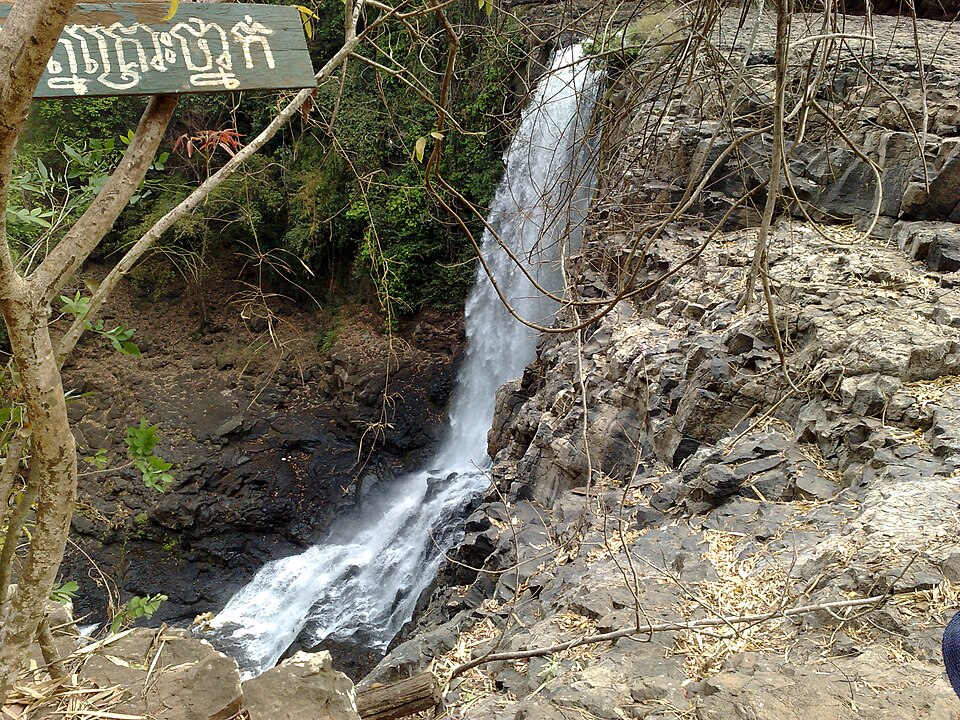
East and northeast Cambodia offer different landscapes: rolling hills, forest, waterfalls, farms and communities whose histories rarely appear in quick city itineraries. These regions reward nature-minded travellers, but roads and wet-season conditions demand more preparation.
Choose community-respecting local guides and be cautious about experiences marketed as 'eco' without evidence. For wildlife encounters, avoid riding, performances or forced handling. Meaningful nature travel should help protect habitats and respect Indigenous communities rather than using both as scenery.
Street food, markets and people: value beyond a price tag
Some of Cambodia's memorable experiences are small: an iced drink outside a market, hot breakfast soup, fresh fruit or a conversation with a vendor. Khmer food has its own breadth, including dishes such as amok and nom banh chok, with regional variations in herbs, fish, rice and preparation.
The point is not that the country is interesting because it is 'cheap'. It is that food traditions and small entrepreneurship remain visible in daily street life. Choose busy, hygienic vendors, ask about ingredients and approach unfamiliar flavours with curiosity rather than expecting everything to taste like home.
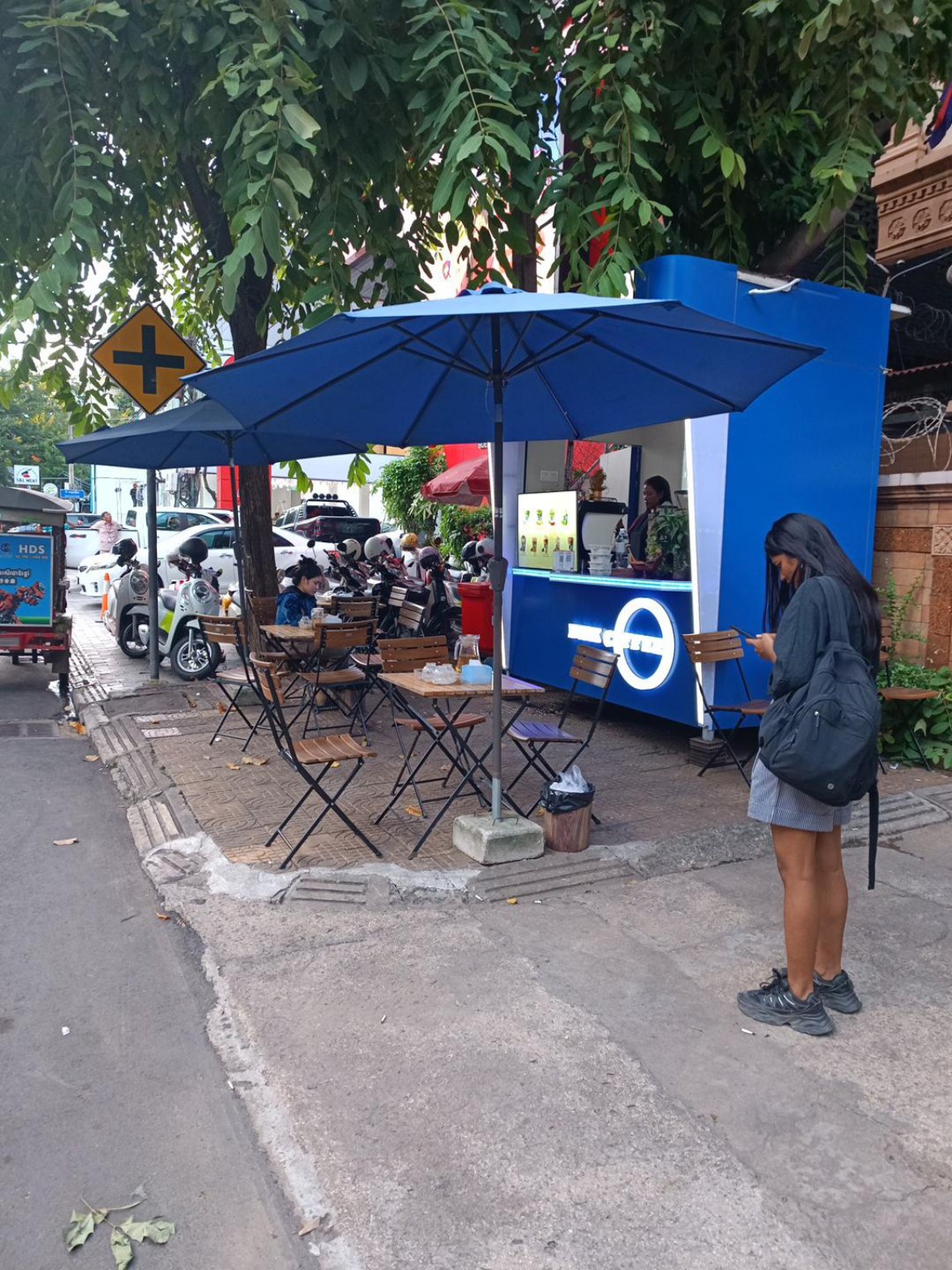
Coffee culture: from tiny street stalls to a new urban language
In Cambodia, one morning can connect a sweet iced street coffee with a contemporary roaster explaining bean origins. Small cafés in Phnom Penh serve as places for work, conversation and neighbourhood life, while other towns develop their own variations. Cambodia also grows coffee, although not every cup served in a Cambodian café uses locally grown beans.
This scene tells a wider story: ordinary routines are becoming new forms of design-led small business without always losing their human scale. It is a compelling way to observe how an evolving city creates room for the independent entrepreneur.
Cost of living: potential value, never a blanket promise
Some visitors and newcomers find opportunities to live with a lower budget than in more developed regional destinations. But the gap between a simple provincial room and a serviced apartment in central Phnom Penh is large. Air-conditioning, imported products, private healthcare, international schools and regular travel can quickly change the calculation.
Build a personal monthly basket before comparing countries: rent, deposit, utilities, insurance, food, internet, transport, immigration costs, medical care and an emergency reserve. A low-cost street meal is not a reliable proxy for the true cost of long-term life.
Between past and future: infrastructure, skills and entrepreneurship
Cambodia's economy and infrastructure are changing, but development is uneven. Private initiative, digital payments, construction and new services coexist with gaps in roads, public services and workforce skills. The World Bank and IMF describe long-term possibilities alongside difficult conditions in 2026, including property-sector weakness and tourism headwinds.
The country's future should not be measured only by towers or new roads. Better education, healthcare, productive jobs and environmental protection are equally important. Development succeeds when the benefits reach more than a few highly visible districts.
Business opportunities: more than a cheap-labour story
Entrepreneurs may find interesting questions to solve in visitor services, training, logistics, food, software and customer experience. But a genuine opportunity begins with a real local need, not with the assumption that importing a fashionable idea is enough. Regulation, payments, contracts, competition, purchasing power and the Khmer language all matter.
Before investing, verify legal structure, licences, taxes, enforceability and cash-flow assumptions with qualified advisers. Optimism is useful for finding possibilities; disciplined due diligence is what keeps those possibilities from becoming expensive mistakes.
Fertile land and agriculture: potential with responsibilities
Agriculture shapes Cambodia's landscape and livelihoods. Rice, fruit, pepper and other crops are grown across its river systems and rural regions. Yet 'fertile land' is not a guarantee attached to every plot: soil, drainage, flooding, water access, transport and land rights vary greatly.
A crucial legal distinction: foreigners generally cannot directly own land in Cambodia. Some lawful use and lease arrangements may be possible, but require independent legal scrutiny, not a broker's promise. An ethical opportunity may involve sourcing from and investing in local producers rather than trying to acquire land.
Moving to Cambodia: fall in love, then verify
A one-week holiday and a one-year move are different decisions. Long-term residents need to verify immigration categories, work authorisation, healthcare, insurance, banking, rental terms, transport and support networks. Requirements depend on nationality and purpose and can change; a tourist entry is not automatically permission to work.
Start with a realistic trial stay, compare neighbourhoods and build an honest monthly budget. People with specific religious, medical, educational or accessibility needs should verify services where they plan to live. Affection for a place is a great beginning; good documentation is what makes a move sustainable.
Not just praise: safety and difficulties to understand
There is much to admire, but credible travel advice must include hard truths: road safety varies, advanced medical services are concentrated in larger centres, scams exist and information or enforcement can be inconsistent. Border tensions and crossing rules can change, so overland itineraries require current checks.
Choose reputable transport, protect documents, avoid sending money to unverifiable contacts and consult official travel advisories. Respect for Cambodia does not require denying its challenges. It means seeing the strengths clearly enough to make informed, responsible choices.
How to experience Cambodia: a journey through four worlds
A rewarding introductory route might begin with Phnom Penh's markets, waterfront and museums, continue to Siem Reap and Angkor, slow down along the river in Kampot and Kep, and end with a thoughtful beach stay on Koh Rong. Change the order for season, transport and travel pace; a short trip should not attempt every stop.
The final thought is simple. Cambodia does not need to become the next Thailand. It can become a stronger version of itself: preserving living heritage, creating room for local communities and shaping a future of its own. For a curious traveller, that story is compelling enough.
QUICK ANSWERS
Frequently asked questions
Is Cambodia better than Thailand?
There is no universal winner. Thailand often offers a broader tourism network; Cambodia offers different cultural depth and rhythms. Decide based on your actual route and needs.
Is Cambodia cheaper than Thailand?
Some expenses may be lower, but city apartments, island stays and imported goods can be costly. Compare a complete personal budget, not a single item.
What should I see on a first visit?
For many travellers, Phnom Penh, Siem Reap and Angkor, Kampot or Kep, and Koh Rong make a varied introduction. Allow time for transfers.
Can foreigners buy land in Cambodia?
Foreign nationals generally cannot hold direct land ownership. Certain use or lease structures may exist; obtain independent legal advice and verify current law.
Can I move to Cambodia and work there?
Only after checking the appropriate immigration and work-authorisation requirements. Tourist admission is not necessarily permission to work.
Is Cambodia suitable for families and long stays?
That depends on the city, budget, schooling, healthcare and each family's needs. A trial visit and local service checks are essential.
Should I prioritise the islands or the cities?
Cities offer history, food and local life; islands lend themselves to beaches and rest. A combination is rewarding, subject to sea and ferry conditions.